

Skin Tag Removal: Causes, Safe Removal, and What Not to DIY
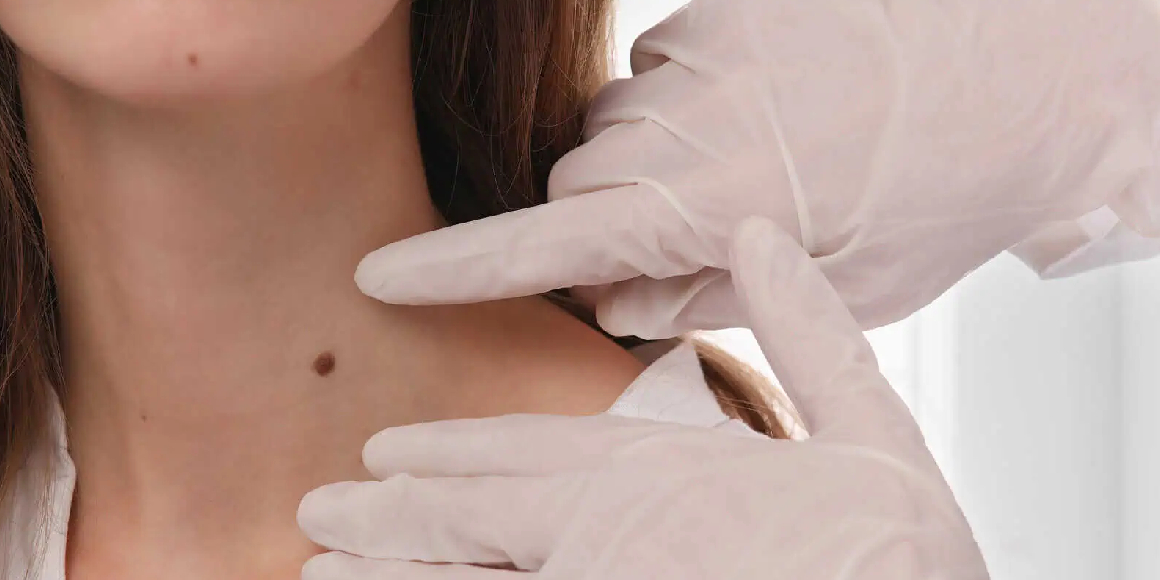
Skin tags are one of the most common reasons people visit a dermatologist, yet they are also one of the most misunderstood. They are almost always harmless, but their location on eyelids, the neck, underarms, or along the bra line can make them catch, snag, and feel like a constant nuisance. This guide explains what skin tags actually are, why they form, how they are safely removed, and the home-removal shortcuts you should avoid.
What Is a Skin Tag?
A skin tag (acrochordon) is a small, soft, benign growth that hangs from the skin by a thin stalk. They are usually flesh-coloured or slightly darker, range from a pinhead to a few millimetres, and tend to appear where skin rubs against skin or clothing. Unlike moles, skin tags are loose and movable rather than flat and embedded. Because both can look similar to the untrained eye, any new or changing growth is worth a professional check at our
What Causes Skin Tags?
There is no single cause, but several factors make them more likely:
- Friction: repeated rubbing in skin folds (neck, underarms, groin, eyelids) is the most common trigger.
- Genetics: a family tendency to develop them is common.
- Weight and metabolism: they appear more often with higher body weight and insulin resistance.
- Hormonal changes: pregnancy and hormonal shifts can prompt a cluster of new tags.
- Age: they become more frequent in adulthood and middle age.
In Dubai’s climate, heat and humidity increase sweating and friction in skin folds, which is why many residents notice them flaring in summer.
Are Skin Tags Dangerous?
On their own, skin tags are not dangerous and do not turn into skin cancer. However, a growth that bleeds, changes colour, grows quickly, has irregular borders, or is painful should never be assumed to be a skin tag. These features can point to other conditions that need evaluation. The safest rule is simple: if you are not completely certain what a growth is, have it assessed rather than guessing.
Safe, Professional Skin Tag Removal
At a clinic, removal is quick, controlled, and chosen to match the size and location of the tag. Common doctor-performed methods include:
- Cryotherapy: freezing the tag so it falls away over a few days.
- Electrosurgery / cautery: using controlled heat to remove the tag and seal the area.
- Surgical snip: precise removal with sterile instruments, ideal for larger tags.
- Laser removal: targeted treatment that is useful for delicate areas; explore our laser skin treatment options.
Each is performed under hygienic conditions with local anaesthetic where needed, which keeps discomfort minimal and reduces the risk of infection or scarring.
What NOT to DIY
Home removal is heavily marketed online, but it carries real risks. Avoid the following:
- Cutting or snipping at home: non-sterile blades and scissors invite infection, bleeding, and scarring.
- Tying off with thread or floss: this can cause pain, incomplete removal, and infection.
- Over-the-counter freezing kits and acids: these can burn surrounding healthy skin, especially near the eyes.
- Removing anything near the eyelids yourself: this area is too delicate and too close to the eye to risk.
The biggest danger of DIY is not the tag itself but misdiagnosis. Removing a growth at home that was never a simple skin tag can delay the diagnosis of something more serious and destroy the tissue a doctor would have wanted to examine.
When to See a Doctor
Book an assessment if a growth is changing, bleeding, painful, multiplying quickly, located on the eyelid, or simply something you are unsure about. A short consultation gives you certainty and a safe removal plan in one visit.
Frequently Asked Questions
Will a skin tag grow back after removal?
The removed tag will not return, but if you are prone to skin tags, new ones can form elsewhere over time, particularly in friction-prone areas.
Does skin tag removal hurt?
Most methods cause only mild, brief discomfort, and local anaesthetic is used where appropriate, so the procedure is generally very tolerable.
Is there scarring?
When removal is performed professionally, scarring is usually minimal to none. Following simple aftercare instructions reduces it further.
How long does removal take?
Most skin tags are removed within a single short appointment, and several can often be treated in the same session.
Bothered by skin tags? Book a quick, doctor-led assessment at our aesthetic and cosmetology clinic in Dubai and have them safely removed. Request an appointment.