

Why Melasma Returns Faster in the Middle East: The Hidden Role of Infrared Heat
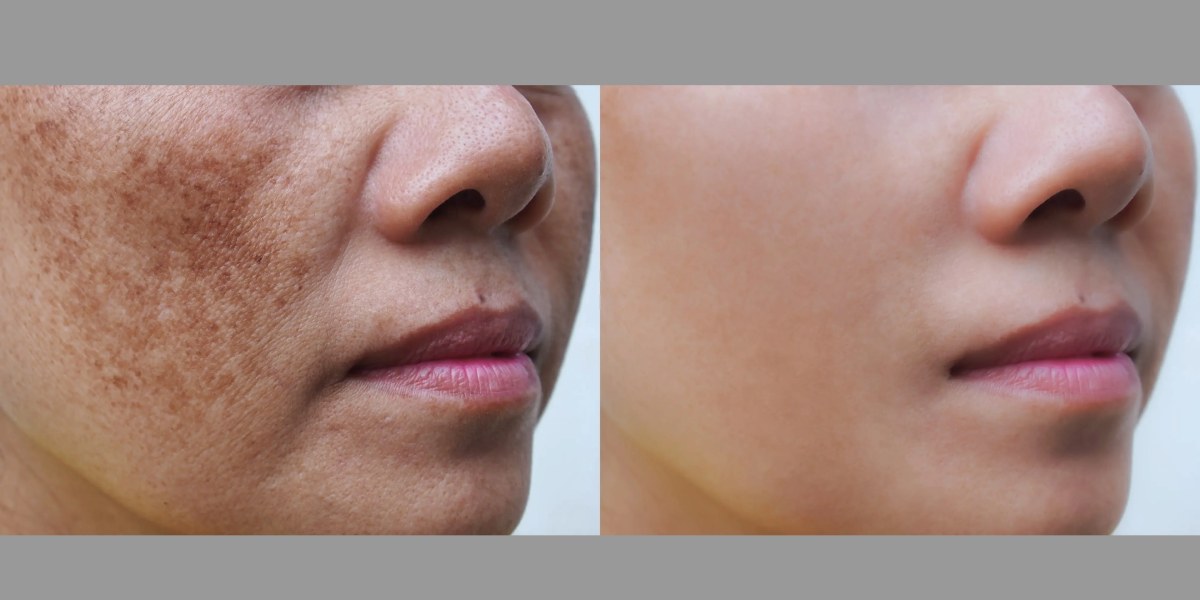
Melasma recurrence in the Middle East is often shaped by more than ultraviolet exposure alone. At Pro Derma Clinic, we recognize infrared heat as a significant yet frequently overlooked factor influencing faster pigment relapse in this region. At Pro Derma Clinic, a trusted dermatology clinic Dubai, one of the most common things we hear from patients in Dubai is this: “My melasma improved, then it came back faster than I expected.” Clinically, that pattern makes sense. Melasma is not a simple surface stain. It is a chronic, relapse-prone pigment disorder influenced by light exposure, hormones, genetics, and dermal changes, which is exactly why a personalized, dermatologist-led approach matters more than a one-size-fits-all solution. Pro Derma’s brand promise is built around safe, evidence-based, individualized care, and melasma is one of the clearest reasons that philosophy matters.
The Middle East Changes The Relapse Equation
So why does melasma seem more stubborn in this region? Because the environmental burden is different. In Dubai, the hot season lasts about 4.3 months, with average daily highs above 100°F, and monthly peak UV levels can reach 11 to 12 during the warmer part of the year. That means the skin is not dealing with occasional sun exposure; it is dealing with prolonged photothermal stress across commutes, parking areas, terraces, school runs, outdoor transitions, and reflective urban surfaces for much of the year.
Infrared Heat Is The Under-Discussed Trigger
This is where the conversation usually becomes too narrow. Most patients are told to think about ultraviolet light, and they should. But in melasma, stopping at UV is incomplete. A 2022 dermatology review states that intense heat itself can drive melanogenesis, yet validated methods to assess true infrared protection are still lacking. The same paper specifically warns that chronic heat exposure in cooks, bakers, metallurgists, glassworkers, and drivers contributes to the chronicity of melasma. In Gulf settings, that idea extends beyond industrial jobs. Hot cars, kitchens, near-window exposure, and repeated daily heat load all matter.
Why Treatment Produces Improvement Yet Relapse Still Occurs
Melasma often relapses not because the first treatment was wrong, but because the trigger environment never really stopped. Current pathogenesis reviews describe melasma as a multifactorial disorder involving solar radiation, hormonal stimuli, oxidative stress, and upper-dermal abnormalities in genetically predisposed skin. In practical terms, that means pigment can lighten visibly while the biological tendency to repigment remains active. The same 2022 treatment review also notes that UVA and visible light pass through windshields and window glass, and that melanogenic exposure persists in ordinary daytime settings, even near windows or in shade. That is a critical detail in the Middle East, where patients may think they are “out of the sun” while their skin is still accumulating trigger exposure.
What Better Melasma Management Looks Like
At Pro Derma Clinic, a leading skin treatment clinic, this is why we do not approach melasma as a quick brightening procedure. We approach it as long-term pigment management. The data supports that strategy. In one 100-patient study, broad-spectrum sunscreen alone reduced mean MASI scores from 12.38 to 9.15 in 12 weeks. In another randomized trial, patients using hydroquinone plus sunscreen with visible-light protection achieved a 77.8% MASI reduction, compared with 61.9% in the group using regular broad-spectrum sunscreen alone. Another review also notes that combination therapies generally outperform monotherapy, while recurrence remains a defining challenge of the condition. For us, that translates into careful diagnosis, trigger mapping, conservative treatment selection, maintenance planning, and visible-light-aware photoprotection rather than aggressive, heat-heavy intervention.
The Clinical And Commercial Implication
This shift is also visible at the market level. The UAE dermatology and aesthetic market was valued at USD 402.4 million in 2024 and is projected to reach USD 736.5 million by 2030, with clinics accounting for 60.7% of facilities and clinics/dermatology centers holding the largest distribution share. That tells us something important: patients in the UAE increasingly value physician-led, customized treatment over generic cosmetic fixes. For melasma, that is not a trend. It is the correct model of care. A relapse-prone condition in a high-heat, high-UV region requires clinical precision, not guesswork.
In the Middle East, melasma returns faster because the trigger profile is broader than most people realize. UV is only part of the story. Visible light, infrared heat, glass-filtered exposure, and cumulative daily thermal stress all help explain why pigment rebounds so quickly in this region. The more durable path is not harsher treatment. It is smarter treatment: precise diagnosis, controlled correction, daily tinted photoprotection, heat avoidance where possible, and disciplined maintenance. That is how we approach pigment care at Pro Derma Clinic, and that is how better long-term outcomes are built in Dubai.