
The Role of Preventive Dermatology in Reducing Long-Term Healthcare Burden
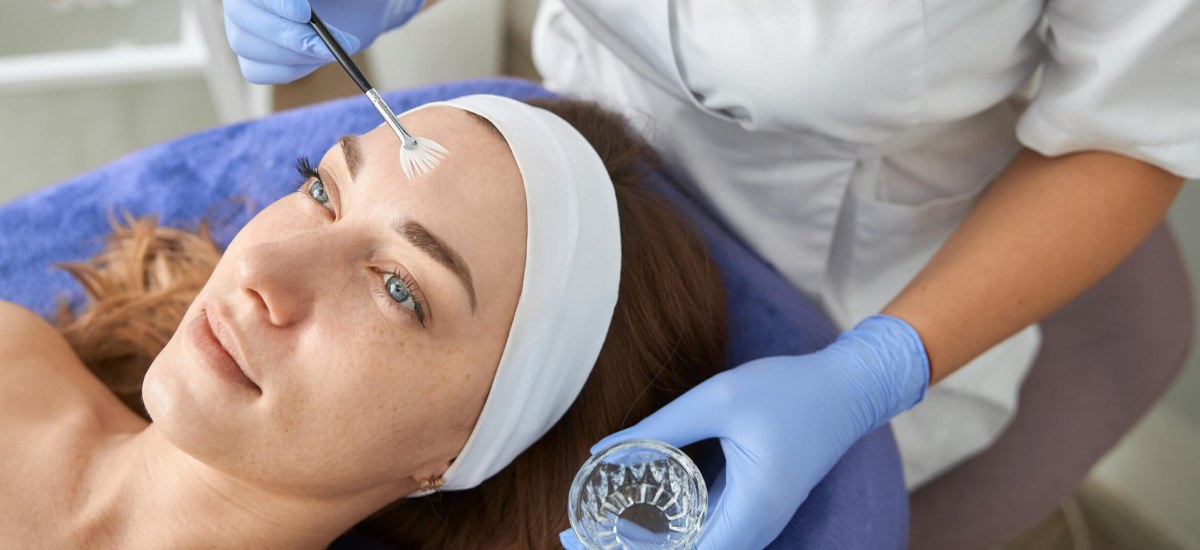
In a world where healthcare systems are strained by aging populations, chronic diseases, and soaring costs, preventive strategies are the new frontier of sustainable medicine. Dermatology is at a crucial turning point among the many fields ready for preventive innovation. Preventive dermatology, the proactive approach to skin health that emphasizes early diagnosis, risk reduction, education, and lifestyle changes, is a professional necessity with significant implications for public health and healthcare economics. It is not just about beauty or cosmetics.
Rethinking Skin Health: Beyond the Surface
Skin conditions are among the most frequent reasons people seek medical attention, affecting billions of people worldwide each year. According to a new World Health Organization resolution that reframes skin conditions as a global public health priority, they can account for up to one-third of consultations and are a major cause of impairment worldwide. This modification highlights that the basis of skin health is systemic well-being rather than just aesthetic considerations.
The United Arab Emirates may relate to these ideas just as much. The dermatology market, which is now estimated to be worth USD 1.2 billion due to the increased prevalence of skin conditions and increased public awareness of skin health, is driving the growth of dermatological clinics in Dubai and the Emirates. Despite this emphasis, dermatologic treatment often stays reactive, focusing on diagnosis and treatment after a disease has developed rather than halting its progression.
The Heavy Toll of Skin Diseases and The Power of Early Action
Consider atopic dermatitis (AD), a chronic inflammatory condition affecting an estimated 4–5 % of residents in Dubai. PubMed Research shows that moderate-to-severe AD significantly increases healthcare utilization: patients requiring advanced treatment incur mean annual costs of USD 531.50, compared with USD 144.00 for untreated or mild cases—a more than threefold difference. PMC These numbers only include direct medical expenses; the financial burden increases significantly when secondary costs like missed productivity and negative effects on quality of life are taken into account.
Furthermore, preventable consequences are a result of disregarding preventive dermatology. For instance, the prevalence of skin cancer is rising globally, particularly in older populations, which emphasizes the necessity of regular screening and education to lessen the need for more costly and invasive later interventions.
Defining Preventive Dermatology
At its core, preventive dermatology is a complex approach that includes a variety of actions:
Risk Assessment and Screening
detecting precancerous areas, psoriasis, or early eczema before they get worse.
Public Education
Teaching people about the causes of inflammatory disorders, UV exposure, skin hydration, and symptoms that require medical attention.
Lifestyle Interventions
Integrating skin health into broader preventive measures such as sun protection, food optimization, and smoking cessation.
Prevention of Infections and Immunization
Preventing illnesses, including HPV-related warts and bacterial skin infections.
Changes in Systems and Policies
ensuring that basic care channels incorporate dermatological expertise.
These interventions shift the paradigm from episodic care to continuous health promotion.
Healthcare Burden Reduction: Cost, Quality, and Equity
-
Reduced Spending on Healthcare
Proactive management prevents advanced disease states that require costly medical care, hospital stays, or long-term prescription drugs. Early consultation with experts, such as a reputable dermatologist in Dubai, can considerably lower severe flare-ups and related expenses, as seen in AD.
-
Better Results for Patients
Preventive treatment lessens the severity of illness and enhances the quality of life. Patient morbidity and psychological stress are decreased when chronic illnesses like psoriasis and dermatitis are less likely to worsen due to education on triggers and proper skincare practices.
-
Efficiency of the System
By incorporating dermatology into broader preventative frameworks (community screenings, workplace health campaigns, school-based education), barriers to early access are overcome, especially for populations that are less inclined to proactively seek specialized care.
The Dubai Setting: Possibilities and Accountability
Dubai’s healthcare infrastructure makes it an ideal site for state-of-the-art preventative dermatological programs. Thanks to significant investments in state-of-the-art diagnostic equipment and a robust clinic network, residents now have more access to professionals, including dermatologists certified to provide preventative care. The general public’s comprehension of prevention is nonetheless uneven in spite of this. Outside of a few private practices, broader engagement with preventative strategies—risk stratification, screening programs, and lifestyle education—remains underdeveloped, even though many residents seek dermatological care for acute issues (such as acne, eczema, or pigmentation).
Industry Insights: Change Is Driven by Analytics
Trends that promote preventive dermatology are revealed by market data:
Increased Patient Visits
Due to increased awareness of skin health, dermatology clinics in the UAE have seen a 35% rise in patient consultations.
Device Innovation
Modern tools (such dermoscopy and laser diagnostics) enhance patient monitoring and early detection, reducing therapy delays.
Conclusion: The Need for Skin Health
When the focus of healthcare reform is on sustainability, preventive dermatology becomes a strategic pillar. By reducing the frequency and severity of skin conditions, limiting costly interventions, and promoting lifelong skin health, preventive measures benefit both people and healthcare systems. For residents of Dubai and beyond, establishing preventive skin health frameworks supported by licensed professionals like a dermatologist in Dubai is a necessity rather than a luxury. When dermatology extends beyond the clinic into education, community engagement, and systemic health planning, public health will thrive and the long-term healthcare burden will be reduced.