
Skin Tag Removal at Pro Derma Clinic
At Pro Derma Clinica dermatology clinic in Dubai, our dermatologists regularly assess a range of minor skin issues, including skin tags. These small growths are harmless, yet many patients request removal when the tag begins to rub against clothing, cause brief irritation, or draw attention in visible areas. As part of the consultation, the lesion is examined closely to confirm that it is a typical skin tag or not
What Is a Skin Tag?
A skin tag referred to clinically as an acrochordon is a small, soft outgrowth attached to the skin by a narrow base. They often develop in natural crease lines or places where the skin experiences repeated movement or friction and are commonly seen during mole mapping or routine skin checks.
How We Remove Skin Tags
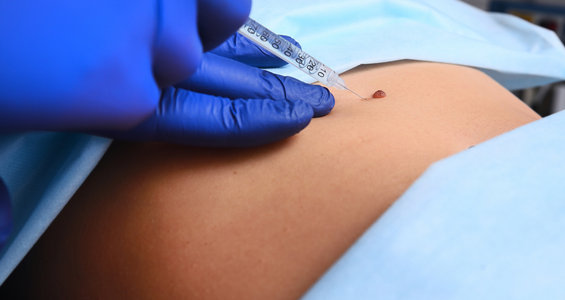
When a patient comes to Pro Derma Clinic for skin tag removal, the dermatologist first checks the area to confirm it’s a simple skin tag. If anything looks unusual, we explain it before moving forward.
Sensitive Areas and Technique Selection
Some skin areas react more strongly, so a small amount of anaesthetic may be used when needed. Many skin tags can be removed without numbing. The methods chosen are cutting, cautery, freezing, or laser depending mainly on the tag’s size and where it sits.
What to Expect Right After Removal
A dressing or ointment may be placed on the site. Most people continue with their normal day without difficulty. Before leaving, patients receive brief instructions on how to care for the area during healing.
Healing Process
The site may look similar to a small scrape for a short time. Mild redness or a light scab can develop. These changes are expected and usually settle without treatment.
Post-procedure care
- Keep the area clean and dry.
- Do not rub or press on it for a few days.
- Use any ointment only if advised by the dermatologist.
With normal care, the skin settles within a short period.
When a Skin Tag Should Be Examined
Although skin tags are benign, certain changes warrant professional evaluation. A review is recommended if the lesion:
- Develops a new or darker colour,
- Shows an irregular outline,
- Bleeds without external irritation, or
- Increases in size more rapidly than usual.
If any of these features are present, assessment is performed first, and treatment is planned accordingly.
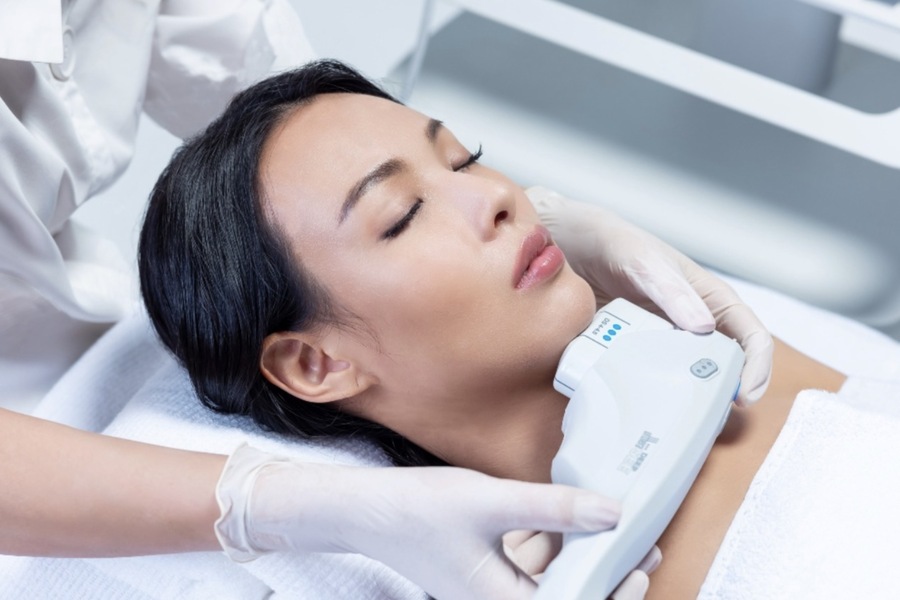

Where Skin Tags Usually Appear
Everyone has different “problem spots”, but the most common areas we see are:
- Underarms
- Neck and collarbone area
- Under the breasts
- Eyelids
- Groin and inner thighs
Why Patients Choose Pro Derma Clinic

Professional Experience
Our skin tags removal Dubai clinic has been operating for over a decade. It continues to expand and evolve daily due to expertise and technological innovations. Pro Derma is qualified to be considered one of Dubai’s most prestigious aesthetic clinics.

Modern Infrastructure
Our clinic is fully equipped with cutting-edge medical technology and cutting-edge facilities. We adhere to established procedures while keeping a sterile environment.

Specialists’ Group
Our clinic has the best doctors worldwide, specialists, and top professionals. Our fantastic support staff ensures you are comfortable and properly cared for.

Result-oriented
Our procedures are outcome-oriented; following a thorough examination and consultation, we devise a strategy and provide an accurate estimate of the operation, including how long it will take to recover and what kind of results to expect.

Outstanding Customer Service
Pro Derma Clinic provides prompt service and outstanding results.
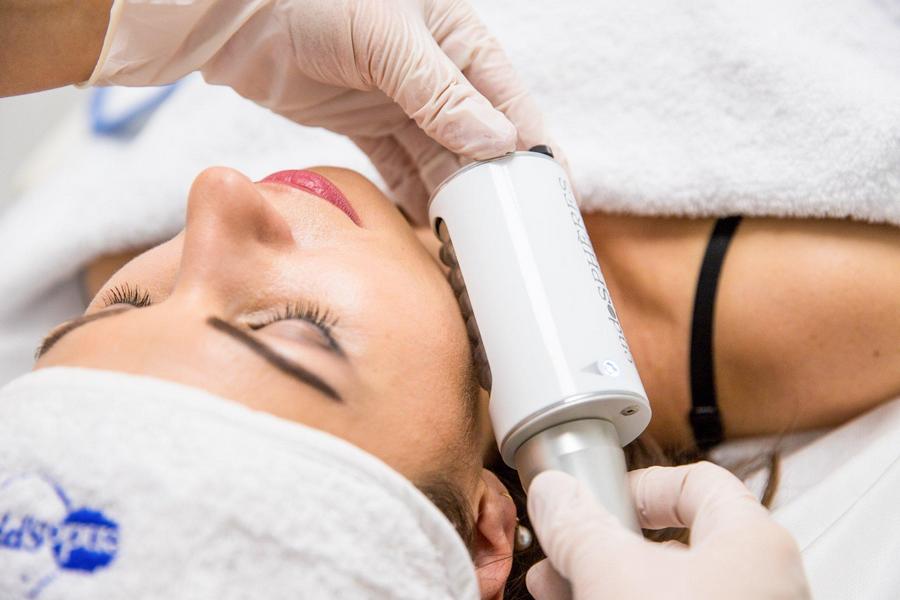
Care for visible areas
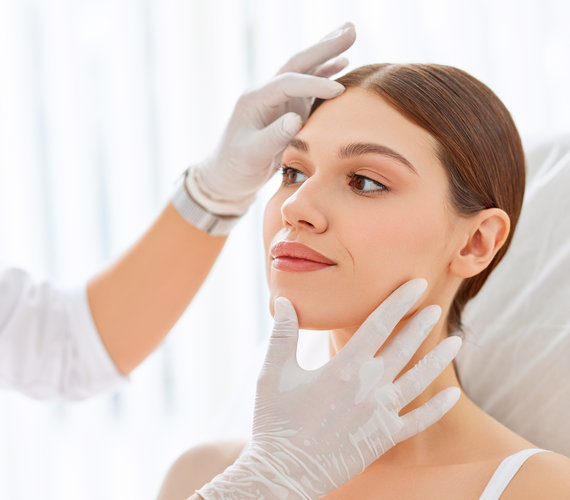
Skin tags on the neck, eyelids, or similar sites need steady and careful work, as the skin is thin and easily marked. These areas are managed with added care because they are more noticeable.

Option to manage other concerns
Some patients prefer to discuss other skin issues during the visit. This might involve a mole check, a look at pigment changes, or treatment of small benign lesions.