
Ramadan Aesthetic Planning: Safe Skincare And Treatment Timing During Fasting
Ramadan changes more than just when we eat. It shifts our entire routine. Our sleep becomes lighter and shorter. Our water intake is limited to certain hours. Even our energy rises and falls differently throughout the day. And because the skin is a living, responsive organ, it reflects all of these internal changes.
Every year in the UAE, we notice a similar pattern during Ramadan. By mid afternoon, many clients describe their skin as feeling tight or slightly uncomfortable. After Iftar, oil production seems to increase, especially around the T zone. Some begin to see small breakouts forming along the jawline. Pigmentation can look darker or more noticeable. At ProDerma Clinic, a trusted dermatology clinic Dubai, we observe these seasonal shifts consistently in our patients.
These changes are not a coincidence, and they are not simply cosmetic. They are the skin responding to shifts in hydration, circulation, hormones, and sleep. At ProDerma Clinic, we approach Ramadan with structured dermatological planning. We do not intensify treatments during this period. We recalibrate. Our focus is maintaining barrier integrity, minimizing inflammation, and timing procedures correctly.
What Fasting Does To The Skin
During fasting hours, you are not drinking water at all. Your body uses what it has and gives priority to the organs that keep you alive. The skin comes later.
Because of that, the top layer of the skin can dry out more quickly. Even a small drop in hydration can leave your face feeling tight, dry, or more sensitive than usual.
Sleep disruption adds another layer. Collagen synthesis and cellular repair peak at night. Fragmented rest reduces recovery efficiency, contributing to dull tone and slower healing of acne lesions. At the same time, insulin fluctuations and late evening meals may influence sebaceous activity. This explains why some patients experience both dryness and breakouts within the same week.
Morning Protocol Before Fasting Begins
The goal in the early hours is protection.
Cleanse Without Stripping
Use a mild, soap free cleanser. A tight sensation after washing signals barrier disruption.
Apply Humectants
Hyaluronic acid and glycerin attract water molecules and help maintain surface hydration.
Reinforce The Barrier
Ceramides, cholesterol, and niacinamide strengthen the lipid matrix and reduce moisture loss.
Commit To Sunscreen
In Dubai, UV exposure remains high year round. Dehydrated skin is more prone to post inflammatory hyperpigmentation. SPF 30 or higher is non negotiable.
Avoid introducing new acids or peels in the morning during Ramadan. The skin’s tolerance threshold is typically lower.
Evening Protocol After Rehydration
Two to three hours after Iftar, the skin is more stable.
Double Cleanse Methodically
Remove sunscreen, pollutants, and excess sebum.
Use Actives Strategically
Vitamin C supports brightness. Niacinamide reduces inflammation. Retinol may continue if already tolerated, limited to two or three nights weekly.
Support Overnight Repair
A nourishing, non comedogenic night cream assists barrier recovery and collagen support.
Internally, hydration should reach approximately 2 to 2.5 liters between Iftar and Suhoor, spaced gradually. Diets rich in antioxidants and omega 3 fatty acids contribute to reduced oxidative stress and improved skin resilience.
Common Errors During Ramadan
From a clinical perspective, the most frequent missteps include:
- Repeated face washing throughout the day
- Over exfoliating to correct dullness
- Using high strength retinoids nightly
- Scheduling aggressive laser sessions during fasting hours
These choices increase irritation and prolong downtime. Ramadan favors conservative dermatology.
Treatment Timing And Safety
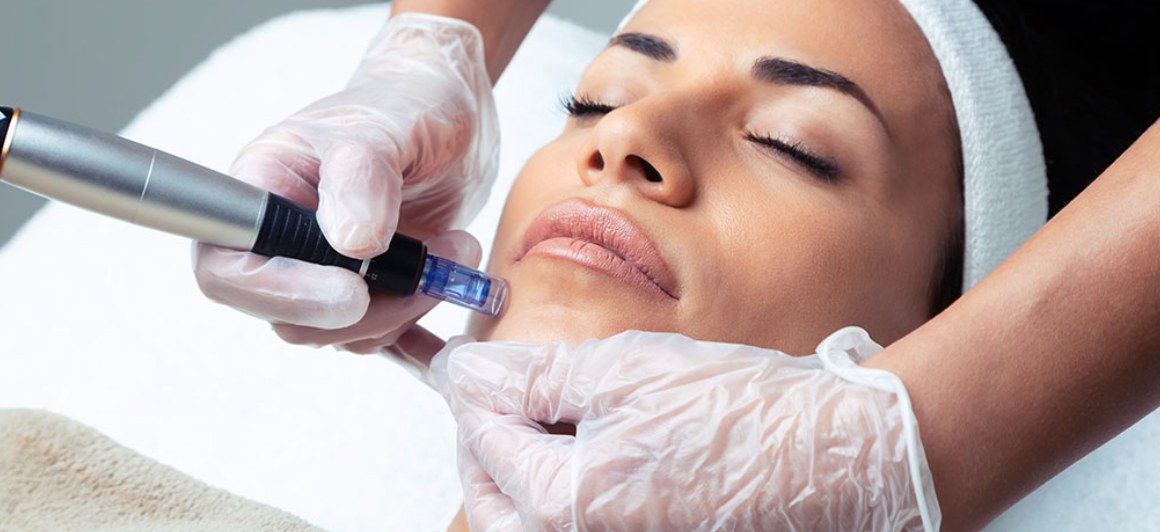
Aesthetic procedures can be performed during Ramadan when properly timed.
Our clinical experience at our aesthetic clinic Dubai indicates improved comfort and recovery when treatments are scheduled in the evening after hydration has resumed. Blood glucose stabilization and fluid replenishment reduce procedural stress.
Appropriate options during Ramadan often include:
- Hydrafacial for surface hydration
- Hyaluronic acid skin boosters
- LED therapy for inflammation control
- Oxygen based revitalization treatments
More intensive resurfacing procedures require case by case evaluation and are often postponed if not urgent. For patients planning for Eid, neuromodulator treatments should be scheduled 10 to 14 days prior to allow full effect.
Individual Assessment Matters
Patients with rosacea, eczema, acne, or melasma require individualized modification. Fasting may amplify underlying inflammation in predisposed individuals. Product frequency, active concentration, and treatment intervals must be adjusted accordingly.
At ProDerma Clinic, our Ramadan dermatology plans prioritize:
- Barrier stability
- Controlled active scheduling
- Reduced inflammatory triggers
- Prevention of pigmentary complications
We aim for predictability, not dramatic intervention.
A Structured, Disciplined Approach
Ramadan is defined by discipline. During Ramadan, your skincare routine should mirror the spirit of the month itself. Keep it simple. Stay consistent. Focus on the basics that truly matter. Drink enough water when you can, try your best to protect your sleep, and be mindful about when you schedule any treatments. Small, steady habits go much further than sudden changes.
You can absolutely maintain healthy skin while fasting. It just takes a bit of planning and a little discipline. There is no need to overhaul your entire routine. Support your skin instead of overwhelming it.
And if dryness, irritation, or breakouts do not settle after a few days, do not brush them aside. It is always easier to handle a concern early than to fix a bigger issue later on. Measured intervention is more effective than corrective treatment after the fact. Skin health during Ramadan is not maintained through intensity. It is preserved through precision.