

Clinical Criteria for Mole Removal: Cosmetic Indication vs. Medical Necessity
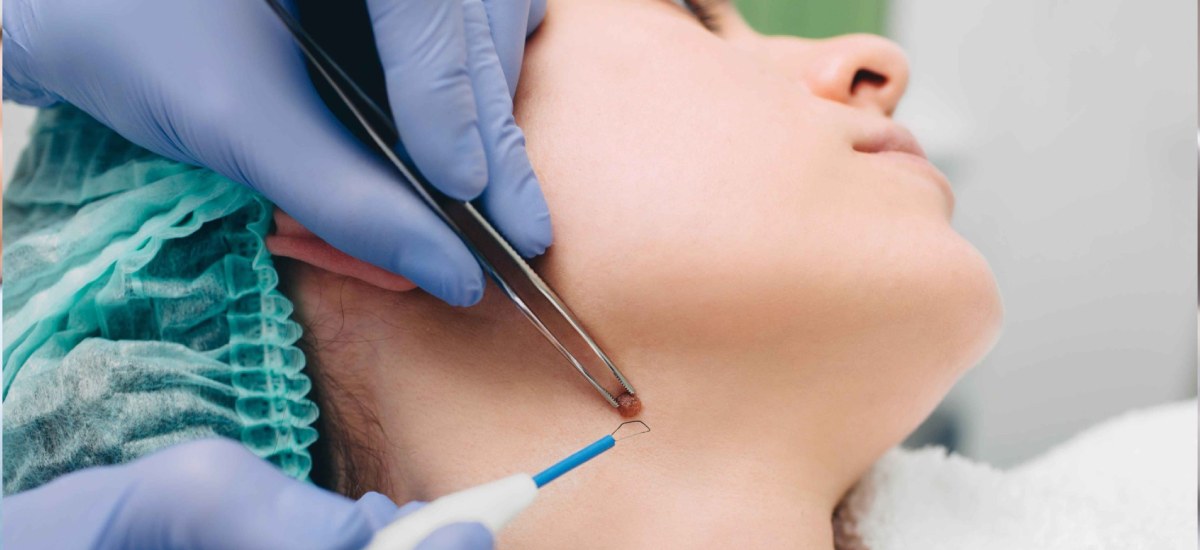
When a Mole Is More Than a Mark
Melanocytic nevi, or moles, are one of the most prevalent dermatological conditions, affecting almost 90% of adults globally. The majority are benign, asymptomatic, and unimportant from a medical standpoint. However, mole removal in modern dermatology lies at the crucial nexus of medical awareness and aesthetic preference. A crucial clinical dilemma is raised by the growing number of patients seeking treatment at a mole removal clinic in Dubai for both cosmetic enhancement and cancer prevention: When is mole removal a medical requirement, and when is it a cosmetic choice? Strict clinical standards, risk assessment, and moral patient counselling hold the key to the solution.
Comprehending Moles: Atypical, Malignant, and Benign Potential
Moles are classified clinically into:
- Common Acquired Nevi: benign, uniform in form and colouration
- Congenital Nevi: present at birth, and the risk of melanoma varies depending on size
- Atypical (dysplastic) Nevi: irregular characteristics and a stronger correlation with melanoma
- Cancerous Lesions: include skin tumors that are not melanoma-related.
According to epidemiological research, people with more than 50 nevi are two to three times more likely to develop melanoma, and those with dysplastic nevi have an even higher lifetime risk. Because of this, rapid action and precise assessment are essential components of dermatological therapy.
Medical Requirement: When Clinical Indications Call for Mole Removal
From a medical perspective, when a lesion exhibits characteristics suggestive of cancer or presents a functional concern, mole excision is justified. Dermatologists use the ABCDE criteria a lot:
- A – Asymmetry
- B – Border irregularity
- C – Color variation
- D – Diameter >6 mm
- E – Evolution (change in size, shape, color, or symptoms)
Lesions exhibiting evolution are particularly concerning. Studies show that evolution alone increases melanoma detection sensitivity by over 70%, even when other criteria are subtle.
Additional medical indications include:
- Bleeding, ulceration, or spontaneous crusting
- Rapid growth
- Persistent itching or pain
- Recurrent trauma due to anatomical location
- Family or personal history of melanoma
Excision is necessary in these situations for both therapeutic and diagnostic purposes. Medical mole removal must always prioritize thorough excision over superficial cosmetic procedures since histopathological analysis is still the gold standard for ruling out cancer.
Cosmetic Indications: The Rise of Aesthetic Dermatology
On the other hand, lesions that are psychologically or aesthetically bothersome but clinically benign are addressed by cosmetic mole removal. The need for aesthetic dermatology has increased dramatically in areas like the United Arab Emirates, where grooming and appearance are highly valued. Market analytics indicate that over 60% of mole removal procedures globally are now performed for cosmetic reasons, a figure that continues to rise.
Common cosmetic motivations include:
- Facial moles affecting self-confidence
- Prominent lesions visible in professional or social settings
- Raised nevi interfering with shaving or makeup application
Cultural or Personal Beauty Standards
At a reputable mole removal clinic in Dubai, cosmetic procedures are still grounded in medical protocol. Dermoscopic evaluation is mandatory before removal to confirm benignity, ensuring that aesthetic goals never compromise patient safety.
Technology and Technique: Does Indication Change the Method?
Yes, clinical indication directly influences the removal approach.
- Medical removal typically involves surgical excision with margins, followed by biopsy.
- Cosmetic removal may utilize radiofrequency, laser ablation, or shave excision—but only for lesions that have been confirmed to be benign.
Clinicians can now more confidently differentiate between medical and cosmetic candidates due to advanced dermoscopy and AI-assisted lesion mapping, which increases diagnostic accuracy by up to 30% compared to naked-eye inspection. Mole removal should never be done outside of a medically supervised setting since inappropriate cosmetic excision of malignant or premalignant lesions can worsen prognosis and delay diagnosis.
Psychological and Ethical Aspects
The dispute between cosmetics and medicine is ethical as well as clinical. Dermatologists have to strike a balance between professional obligation and patient autonomy. It is okay to remove a benign mole for aesthetic purposes, it is not appropriate to remove a worrisome lesion without a histology. Visible moles can have a major psychological effect on one’s self-esteem. Patients seeking cosmetic mole removal frequently report gains in body image ratings and social confidence after the operation, according to psychodermatology studies. To provide ethical care, however, medical professionals must check for body dysmorphic tendencies and irrational expectations.
Dubai Context: Clinical Excellence Meets Aesthetic Demand
The dermatological landscape in Dubai occupies a special place at the intersection of high-end aesthetics and evidence-based medicine. The professional obligation to rule out malignancy first and aesthetics second is still ubiquitous, although patients who visit a mole removal clinic in Dubai often expect little scarring, a speedy recovery, and flawless results. This dual expectation has led to the adoption of modern imaging, board-certified dermatologic monitoring, and worldwide coordinated safety precautions by clinics, establishing the benchmark for integrated cosmetic-medical dermatology.
Conclusion: Drawing the Line with Precision
Mole removal can be either cosmetic or medical, depending on the situation. Medical necessity is based on clinical criteria, risk assessment, and careful diagnosis. On the other hand, patient views and quality of life shape cosmetic choices. The future of dermatology relies on finding a balance between health and cosmetic needs using advanced diagnostics. When done correctly, mole removal, whether for health or cosmetic reasons, becomes a precise procedure that balances safety, science, and confidence. If you want, I can also create a patient education manual or SEO-optimized service page text for a mole removal clinic in Dubai.