

Body Contouring in Post-Weight-Loss Patients: Tissue Adaptation and Skin Elasticity
When Victory Comes with a New Challenge
Losing a significant amount of weight—whether through lifestyle interventions, pharmacotherapy, or bariatric surgery—is a monumental achievement. However, excessive, loose skin and irregular contours that undermine their hard-won gains are a common source of unhappiness for many patients, tempering the joy of a changed physique. In the modern world, a body contouring clinic is essential to finishing the weight-loss process—not simply in terms of appearance, but also in terms of function and psychology. Evidence indicates that understanding how skin and connective tissues react over time is crucial for good outcomes as plastic surgeons and researchers continue to investigate tissue adaptability and skin elasticity following significant weight loss. A patient’s eligibility for surgical correction and degree of satisfaction may be influenced by the interaction of collagen, elastin, and external factors such as gravity and abrupt weight fluctuations.
Tissue and Elasticity Explained: Why Skin Doesn’t Snap Back
More than just a metaphor, skin elasticity is a biomechanical characteristic derived from the dermis’ structure. Tensile strength is provided by collagen, and skin can stretch and recover thanks to elastin fibers. The skin expands to make room for the extra volume when a person puts on a lot of weight. These fibers should ideally recoil after weight loss. However, in practice, the process is frequently unfinished, especially following drastic or quick reductions.
Histological studies comparing skin samples from individuals after massive weight loss versus those with stable obesity show measurable changes in connective tissue architecture. Research reveals a reduction in thick collagen fibers combined with an increase in thin collagen fibers and higher elastic fiber density in post-weight-loss skin—a profile suggestive of altered structural integrity that limits recoil capacity.
These microscopic adaptations help explain clinical phenomena that clinicians regularly observe: skin that appears loose, wrinkled, or unable to conform to the new underlying silhouette. This isn’t merely cosmetic—it reflects genuine limits in biological remodeling.
Magnitude of the Problem: Prevalence and Patient Experience
Excess skin after significant weight loss is not an occasional side effect—it’s nearly ubiquitous. Up to 89% of patients experience drooping skin, especially in the upper arms and abdomen, according to clinical data from post-bariatric cohorts. There is a huge amount of dissatisfaction that goes along with these bodily changes. Numerous studies show that most patients are dissatisfied with their appearance following surgery, and aesthetic issues are associated with low self-esteem and a negative body image. Excess skin is not only ugly, but it can also cause practical health problems including chafing, intertrigo (skin-fold dermatitis), and infections within skin folds that can affect daily comfort and quality of life.
The Psychological and Functional Advantages of Body Contouring
Although body contouring is often shown in the media as a luxury cosmetic option, research is revealing its health benefits. Studies show that surgical contouring not only improves appearance but also helps with physical abilities, social interactions, and mental health. Patients experience clear improvements in their quality of life, including better mental health markers, lower body mass index (BMI), and increased physical activity.
According to controlled trials conducted in Saudi Arabia, individuals who undergo contouring following bariatric surgery report lower rates of anxiety and sadness than those who do not seek surgical correction. These results highlight the fact that body contouring is more than just aesthetic; it can play a crucial role in providing mental health assistance following significant weight loss.
Clinical Strategies: From Assessment to Optimization
-
Timing and Patient Selection
A cornerstone of successful outcomes is proper timing. Surgeons generally recommend that candidates for contouring maintain a stable weight for 6–12 months before intervention. This stability allows tissue remodeling to plateau and reduces the risk of postoperative contour irregularities.
Assessment typically begins at a body contouring clinic with a comprehensive evaluation, including:
- Skin quality and elasticity
- Location and amount of redundant tissue
- Patient expectations and lifestyle
- Comorbidities (e.g., diabetes, smoking status)
Older age, smoking, and rapid weight loss are known factors that impair skin retraction and wound healing. Adequate preoperative counseling ensures realistic expectations and safer outcomes.
-
Innovations and Surgical Options
There is no one-size-fits-all approach to contouring. Surgeons customize procedures according to specific needs and anatomical regions:
- Abdominoplasty, sometimes known as a “tummy tuck,” tightens the muscles in the abdomen and eliminates extra skin.
- Circumferential excess around the chest, flanks, and lower back is addressed by body lift and 360 contouring.
- Arm and thigh lifts target segmental laxity, which cannot be resolved by diet and exercise alone.
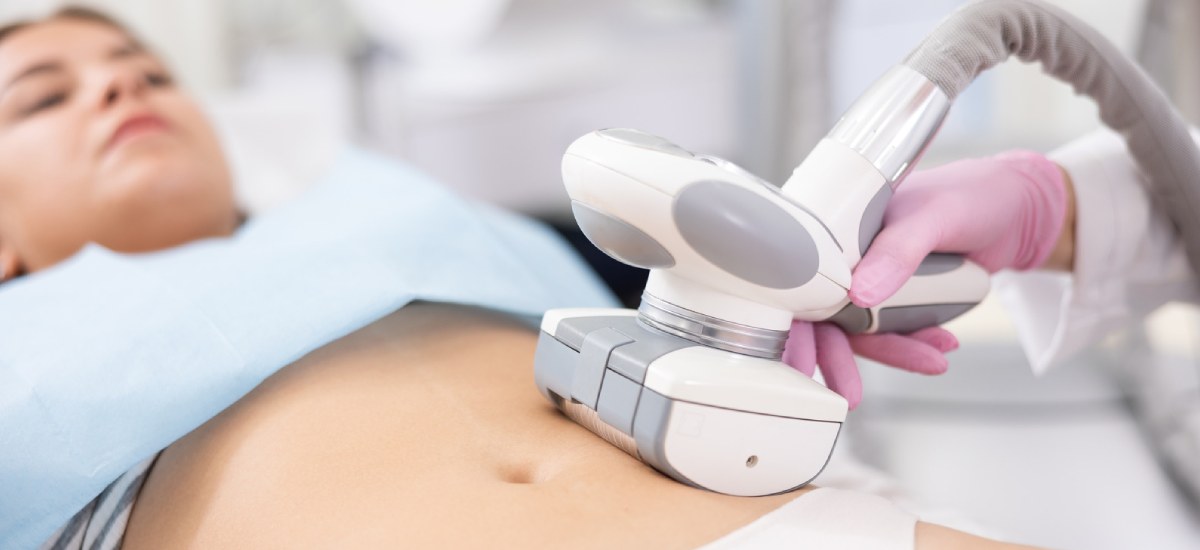
In order to attain harmony across many body zones, patients who have lost a significant amount of weight frequently combine different procedures. Excisional surgery may be supplemented with adjunctive procedures like liposuction or energy-based skin tightening, particularly in individuals with moderate laxity.
Holistic Views: Outside of the Operating Room
Achieving optimal outcomes often necessitates a multidisciplinary approach. Long-term satisfaction can be significantly enhanced by integrating nutritional guidelines, structured exercise programs, and psychological support. Three key practical strategies that align with surgical goals include maintaining a stable body weight, engaging in strength training to develop underlying muscle, and ensuring adequate protein intake to promote tissue health. These strategies are crucial components of the recommendations for improving overall outcomes.
Final Thoughts: Finishing the Transition
Body contouring has become an essential part of comprehensive therapy in the age of sophisticated weight-loss treatments. Body contouring clinics assist patients in achieving and embracing their transforming journeys by comprehending the biological limits of skin elasticity and combining surgical techniques with evidence-based insights.The message is obvious, even though the research is still developing: eliminating unnecessary tissue is just as much about improving look as it is about regaining quality of life.