

Under-Eye Dark Circles and Hollows: Treatment vs. Skincare
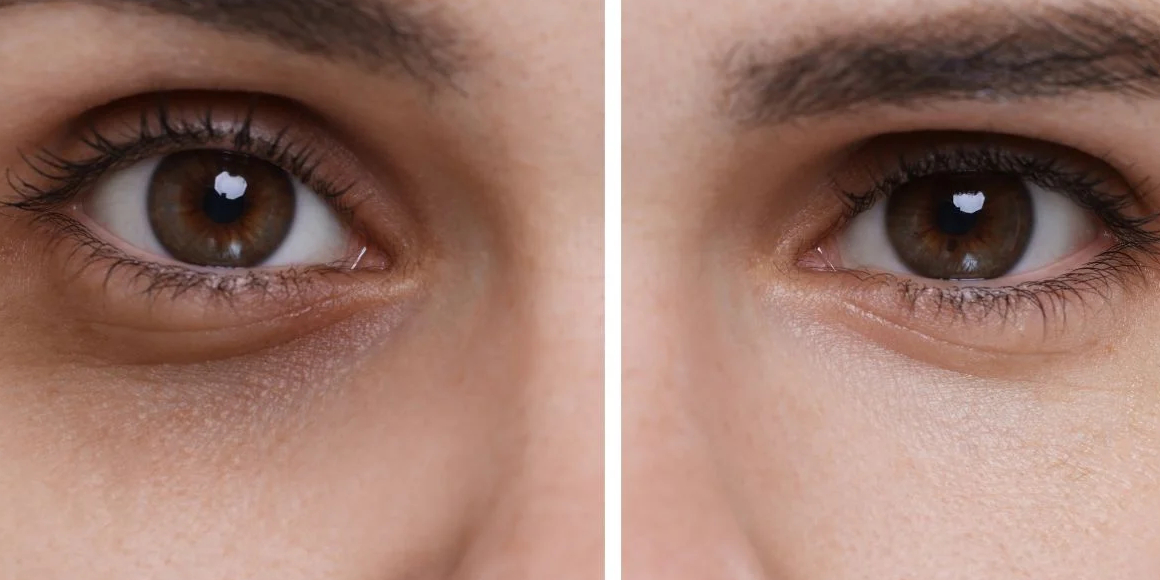
Tired-looking eyes are one of the most common concerns we hear about, and also one of the most misdiagnosed at home. People buy cream after cream expecting circles to vanish, when the real cause may be a structural hollow, pigment, or simply the way light falls on thin skin. Knowing which type you have is the difference between wasting money on the wrong product and getting a result. Here is how to tell them apart and what actually works for each.
Why the Under-Eye Area Shows So Much
The skin under your eyes is the thinnest on the body, with little fat to cushion it. That means blood vessels, pigment, and bone structure all show through easily, and small changes in volume or fluid create visible shadows. Lifestyle factors common in Dubai, such as long screen hours, dehydration in air-conditioned spaces, and disrupted sleep, amplify the effect. Our article on mesotherapy and biorevitalization for skin glow and hydration explains how that dehydration shows up in the skin and how to counter it.
The Four Main Causes (and What Each Needs)
1. Pigmentation (brown circles)
Caused by melanin, sun exposure, or genetics, and more common in deeper skin tones. This type responds best to topical brightening agents, sun protection, and in-clinic options such as gentle chemical peels and medical facials.
2. Vascular (blue/purple circles)
Thin skin reveals the bluish tone of underlying blood vessels. Topicals help only modestly; what works better is improving skin thickness and quality over time, and in some cases treatments that boost collagen and hydration in the skin itself.
3. Structural hollows (tear troughs and shadowing)
When the area loses volume, a groove forms between the lower lid and cheek, casting a shadow that reads as a ‘dark circle’ even with perfect pigment. No cream fills a hollow. This is where carefully placed tear-trough filler makes the difference, restoring volume so light no longer casts a shadow.
4. Lax skin and puffiness
Crepey, sagging lower-lid skin and fat-pad puffiness create their own shadows. Skin-tightening treatments and, where appropriate, skin boosters and bio-remodelling help firm and refresh the area.
Skincare: What It Can and Can’t Do
Good skincare genuinely helps pigment and skin quality. Look for ingredients with evidence behind them:
- Vitamin C and niacinamide: brighten pigment and even tone.
- Retinoids (used cautiously): thicken and smooth thin skin over months.
- Peptides and hyaluronic acid: support hydration and the appearance of plumpness.
- Daily SPF: the single most important step to stop pigment from deepening.
What skincare cannot do is replace lost volume, lift sagging skin, or erase a structural shadow. If your circles persist despite a consistent routine, the cause is likely structural, and that needs an in-clinic approach.
In-Clinic Treatments That Target the Cause
- Tear-trough filler: restores volume to the hollow so light no longer casts a shadow.
- Biorevitalization and skin boosters: improve hydration, thickness, and quality of the thin under-eye skin; see our guide to skin boosters and biorevitalization.
- Mesotherapy: delivers brightening and nourishing actives directly to the area.
- Skin tightening / non-surgical blepharoplasty: for laxity and mild puffiness.
- Medical facials and peels: for pigment and overall freshness; see our medical facial options.
Because most people have a mix of causes, the best plans are layered, often combining a structural correction with skin-quality treatments and a tailored home routine.
Frequently Asked Questions
Can fillers fix all dark circles?
No. Fillers are excellent for structural hollows but are not the answer for pure pigmentation or vascular circles. A proper assessment identifies which type you have first.
Are under-eye treatments safe?
In experienced hands, yes. The under-eye is a delicate area, so it should only be treated by qualified medical professionals who understand its anatomy.
How long do results last?
It varies by treatment. Filler results often last many months to over a year, while skin-quality treatments are typically done in courses with periodic maintenance.
What is the first step?
A consultation to diagnose your circle type. From there a combined skincare-plus-treatment plan is built around your specific cause.
Not sure whether your circles need a cream or a clinic? Book an eye-area assessment with our aesthetic and cosmetology specialists in Dubai and get a plan built for your exact cause. Book a consultation.